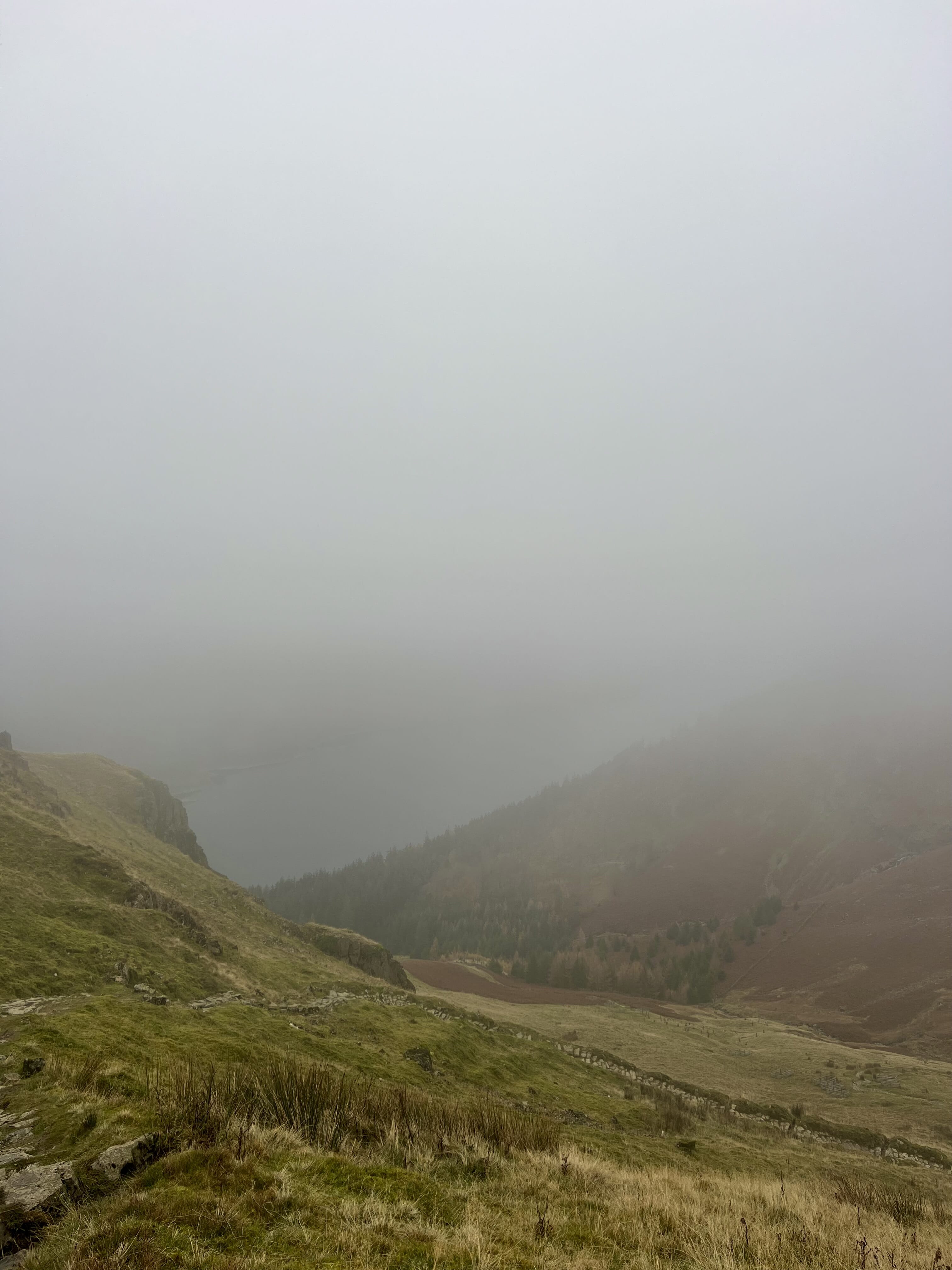
Earlier in the month we embraced the five hour drive to Cumbria for a long weekend, which was completely worth it and it would serve me well to remember how much you can see with just one day of annual leave. We hiked Helvellyn in the fog, which admittedly didn't do wonders for the views, however, being in a montane habitat (this just means it's above the treeline) in the clouds felt otherworldly especially finding our way down. The days we decided not to tackle a mountain hike, the sun came out which let us take in the changing seasons.
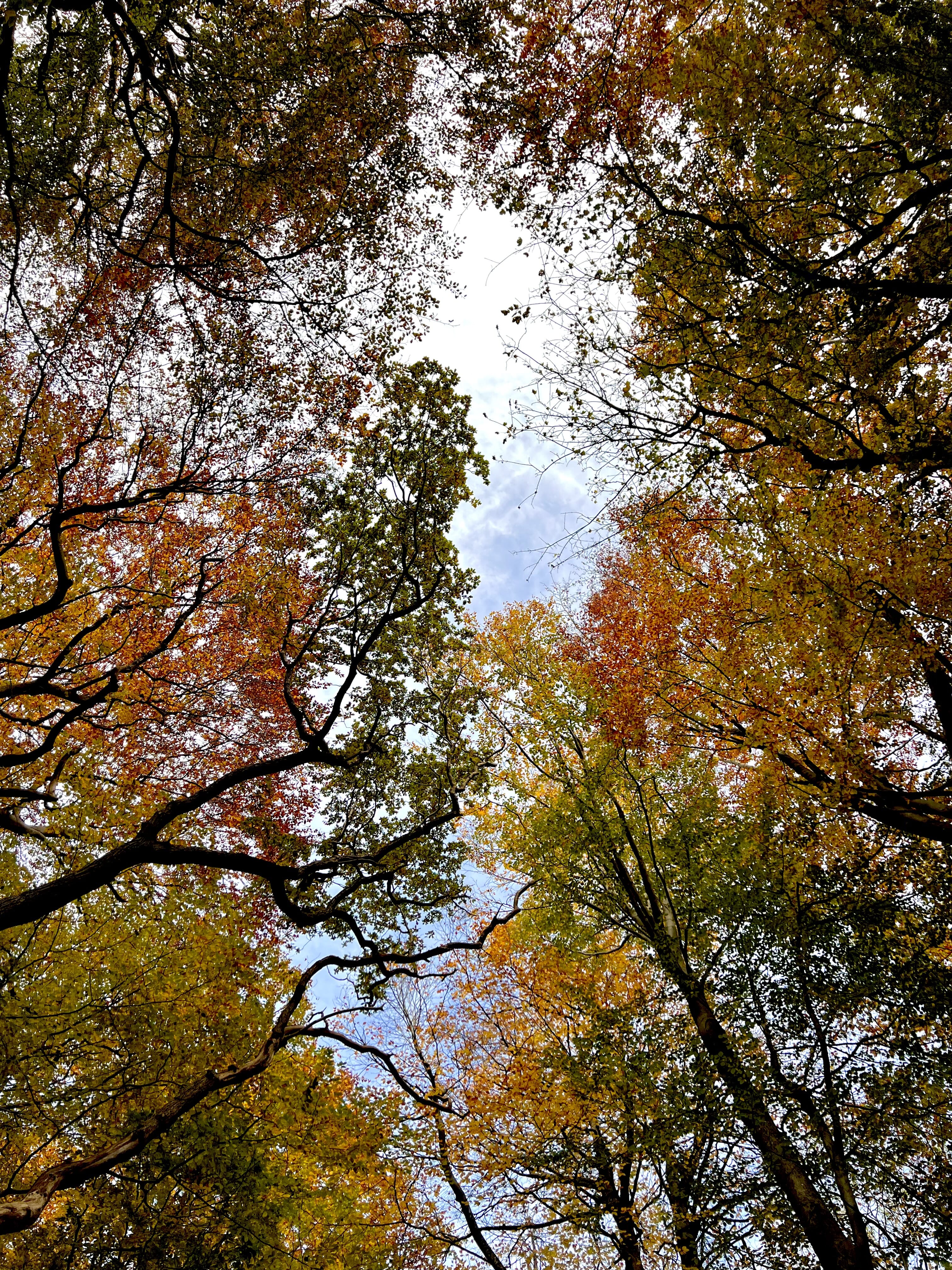
I can only apologise that this lesson reaches you a bit late in the season, but you can always revisit it next year! Autumn leaf colours are all to do with chemical reactions in the leaves. Chlorophyll, if anyone remembers from school biology, absorbs light and gives plants their green colour. In autumn old chlorophyll is broken down, and due to longer nights and colder temperatures, isn't replaced. This means the green colours fade from plants, allowing other colours to show, the colour of each plant will depend on the chemical compounds present. Orange and yellow leaves contain carotenoids and flavonoids which are present in the leaves year round, but only become visible once the chlorophyll breaks down. Orange leaves are coloured due to beta-carotene, the same compound that makes carrots orange! The wonderful bright reds and magentas we see in some plants are due to anthocyanins, the synthesis of which is initiated in autumn by increased concentration of sugars in the leaves in darker months.
Another exciting trip for me was to farmED, a regenerative farm and education center near Chipping Norton. I am incredibly new to the world of farming, let alone farming regeneratively, but it was really exciting to walk around their farm and learn about their experiments in regenerative farming and their impressive results. They are encouraging biodiversity into their land, and planting mixed crops encouraging nutrients and carbon sequestration in the soil (carbon sequestration is the capturing and storing of carbon, reducing carbon in the atmosphere).

As winter takes hold and the ground rests, it can be harder with the longer nights to enjoy as much that nature has to offer. However, there are definite benefits when we look for them, it is suddenly easy to see the sunrise, and with thinned out hedgerows birds become easier to spot. If you are looking for some final glimpses of bright colour, I have been loving finding bright pink spindle, which as other plants fade, suddenly stand out in our hedgerows.
I hope you are enjoying yourselves and having time outside, I have just watched a starling poo on another starlings head which has really made me laugh, so I will leave you with that image…